


A Farmer's Perspective on Cheetah Conservation (Throwback to 2008)

By Kisenge Musyoka, Livestock Farmer, Kiu North
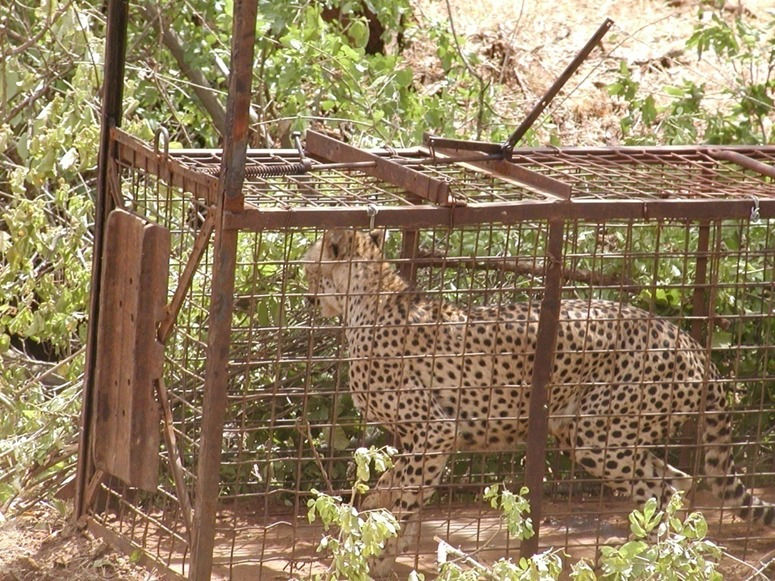
Livestock losses to predators in Kiu North, a subdivided section of the Kiu Ranch are nothing new. But since 2002, the frequency of losses from cheetah have severely affected me. I lost eighteen shoats when the cheetahs attacked our herd on twelve occasions in 2005 and 2006. On each occasion I reported the loss to CCF and on each occasion they spoke with me about the situation leading to my loss. At first, I did not care that the cheetah is an endangered species – my losses were unacceptable.
Before I go any further, I would like to acknowledge the assistance that CCF has given to myself and to the community in regards to human-wildlife conflict – specifically in terms of the cheetah. Mary and her team have contributed education and information into the community which have assisted many of us in improved livestock health and husbandry. Through the information which has been given to us, people can understand the meaning of having cheetah in the area in regards to conservation. The Community Cattle Dip Project builds capacity within the area for project management and improved livestock health. Baraza (community meetings) educate the people about wildlife, cheetahs and allow the people to express their concerns and develop solutions to their problems. CCF combines government support with private funding to improve conditions in the community and to improve relations with the Kenya Wildlife Service.
On a personal level, I have received benefits of improved livestock health and a better

understanding of the role of the cheetah in a healthy ecosystem. I used to have high expenses in keeping my livestock healthy, constant injections and veterinary visits. Since June of 2007 I have not lost any livestock to disease and my milk and meat production has improved. Ticks carry diseases (like East Coast Fever) and weaken livestock, thus making them susceptible to pneumonia. With stronger livestock, I am not having a problem with other diseases.
CCF Research Assistant, Sarah Brooke, spent some time with me after my last livestock loss. She advised me on means to protect my livestock from loss. CCF staff have been pointing out to me that the cheetah lived in this area long before I moved in with my livestock to settle. It is our responsibility to preserve the heritage of the wildlife that have been free in this region. It is also my responsibility as a member of this community to share the information which has helped me.
The following are improvements which I believe have stopped my problem:

1 – We improved the style of fencing around our boma for better protection when the livestock are not grazing.
2 – We improved our herding style by not using children alone as herders. We have three herders who are instructed never to leave the livestock unguarded. If the herders must do something they are to bring the flock back to the boma first and are never to leave the flock.
3 – We identified the problem areas and have taken different routes to graze and water the flock. We keep the herd under more careful watch in the thick bush and graze in the more open areas.
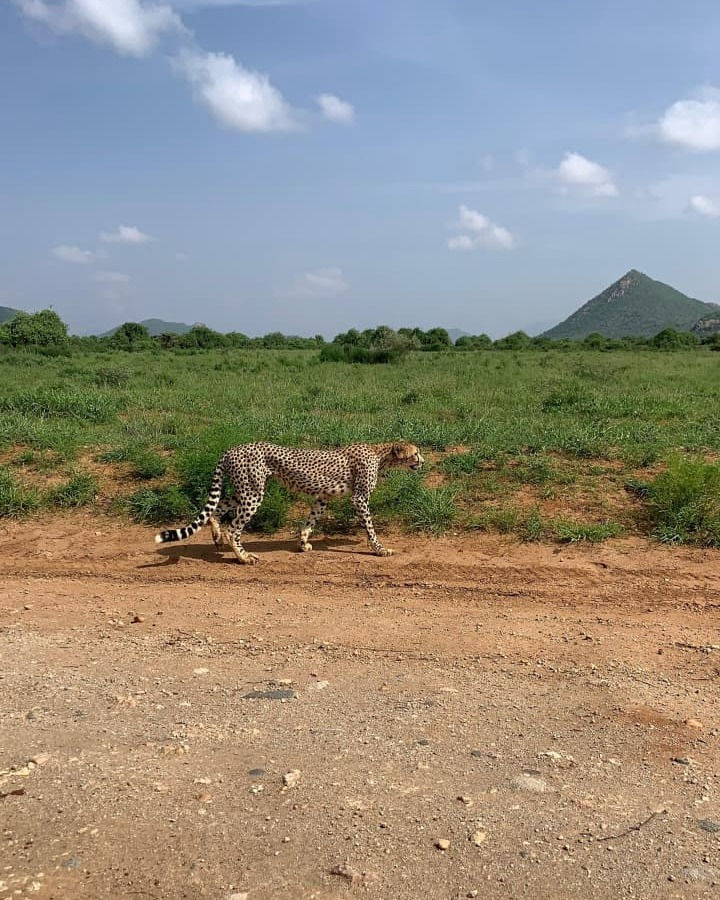
4 – I share information with other people. The cheetah need to have food, thus we, as the community, must avoid poaching of the prey species. As long as there is poaching, the problems with cheetah killing livestock will continue to worsen.
I would like to express my sincere appreciation to the Cheetah Conservation Fund for their work in our community. Their team continues to collect and share information which will assist us in improving our lives.


Comments